🎨 Why Art Is Essential for Mental Health
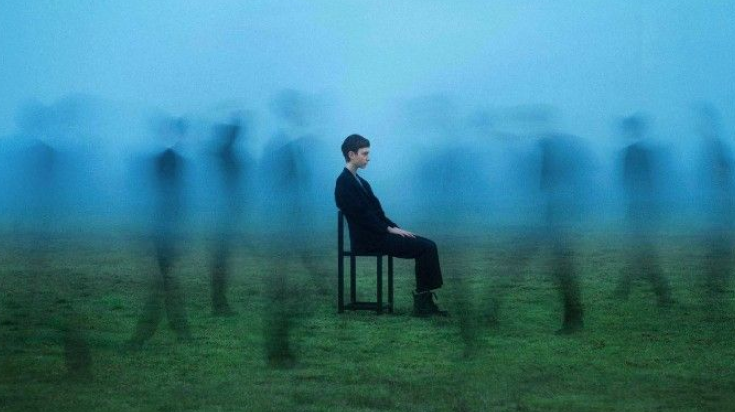
Mental health isn’t just about treating illness — it’s about promoting emotional well‑being, self‑expression, and resilience. One powerful way people support their mental health is through art — both experiencing it and creating it. Research shows that art is far more than something nice to look at: it can actively support healing, reduce stress, and strengthen emotional balance.
Art Reduces Stress and Improves Well‑Being
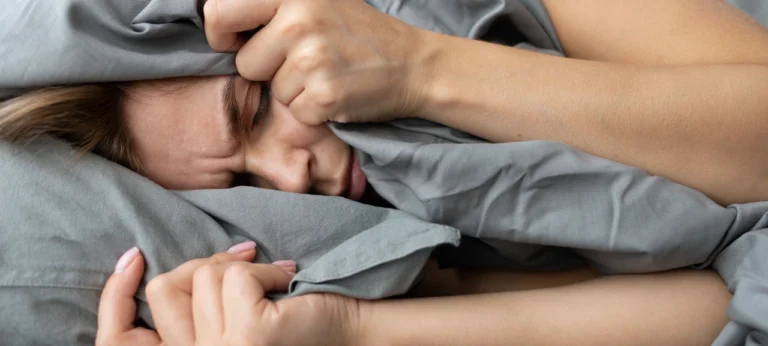
Scientific studies show that engaging with art has measurable health effects. In a recent study led by King’s College London, participants who viewed original artworks in a gallery experienced a 22% drop in the stress hormone cortisol and reductions in other markers linked to inflammation and stress responses. According to Dr. Tony Woods from the research team, “the stress‑reducing properties of viewing original art … suggest that cultural experiences may play a real role in protecting both mind and body.”
Other research also links creative engagement to lowered stress and better mood — even outside formal therapy. Just 45 minutes of art‑making has been shown to reduce cortisol levels and induce relaxation.
Art Helps Express Emotions Words Can’t Capture
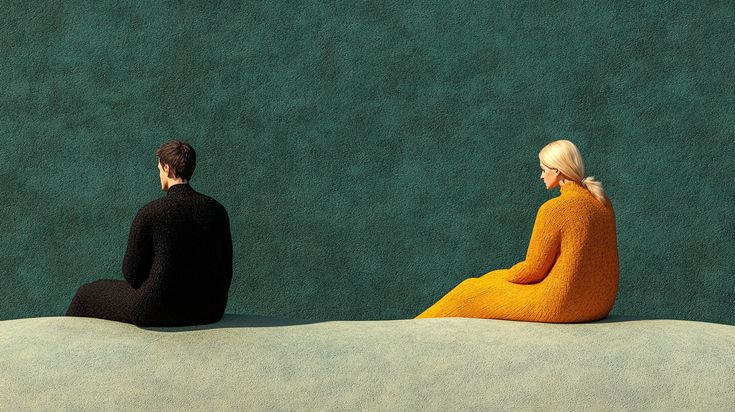
Art offers a non‑verbal outlet for expressing feelings — especially when words don’t come easily. According to Smithsonian Magazine, art can help people “unlock their emotions and translate them into something real,” allowing individuals to explore feelings that may be too complex or painful to describe verbally.
This kind of creative expression isn’t just useful for adults: it has been linked with improved emotional outcomes for children who’ve experienced trauma, including lower levels of anxiety and post‑traumatic stress.
Art Reduces Stress and Improves Well‑Being
Scientific studies show that engaging with art has measurable health effects. In a recent study led by King’s College London, participants who viewed original artworks in a gallery experienced a 22% drop in the stress hormone cortisol and reductions in other markers linked to inflammation and stress responses. According to Dr. Tony Woods from the research team, “the stress‑reducing properties of viewing original art … suggest that cultural experiences may play a real role in protecting both mind and body.”
Other research also links creative engagement to lowered stress and better mood — even outside formal therapy. Just 45 minutes of art‑making has been shown to reduce cortisol levels and induce relaxation.
Art Builds Resilience and Self‑Discovery
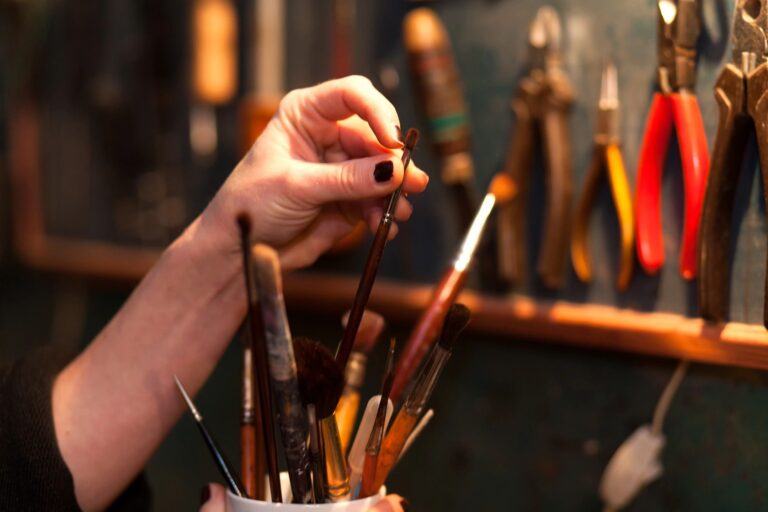
The act of creating — whether through painting, music, writing, or crafting — supports personal insight and emotional resilience. Art engages the brain’s reward pathways, releasing feel‑good chemicals like dopamine, which can uplift mood and motivate further creative engagement.
Art also fosters self‑esteem and a sense of accomplishment. Completing a piece of artwork — no matter the skill level — can give someone a tangible feeling of pride and self‑worth.
Art Therapy: A Recognized Mental Health Tool
When guided by a trained therapist, art therapy becomes a clinical tool used to support people with mental health challenges such as anxiety, depression, trauma, and more. A systematic review of research on art therapy finds that it can provide relaxation, emotional empowerment, and a sense of control — helping people see “that they are more than pain.”
Art therapy is now part of treatment plans in hospitals, schools, and community centers because it allows people to express, process, and understand emotions in a safe, creative environment.
The Science Is Clear: Art Matters
From physiological stress reduction to emotional release and cognitive stimulation, the science supports what many people intuitively feel: art matters for mental health. Whether you’re painting, dancing, crafting, writing, or simply visiting a gallery, engaging with art invites introspection, connection, and healing.
Final Thought
Art isn’t just decoration — it’s a tool for health. In times of stress, uncertainty, or emotional overwhelm, creative expression offers a space that’s safe, personal, and deeply human. If you haven’t explored art as part of your own wellness journey, there’s good evidence it’s worth trying.